

IPTV bundle deals look tempting the moment you see the discount stacked against a 6 or 12 month commitment. But whether a multi-month IPTV package is worth it depends less on the price tag and more on server stability, panel reliability, and what happens the month a provider disappears. This guide breaks down the real math, the risks nobody advertises, and how to evaluate a bundle before you commit.
Why IPTV Bundle Deals Look Better Than They Are
A 12-month IPTV bundle deal often prices out at 40 to 60 percent less per month than a rolling monthly plan. On paper that’s an easy decision. In practice, the discount is priced against risk the buyer usually can’t see: server churn, panel resells, and provider turnover. Most panel operators who offer aggressive multi-month IPTV package pricing are doing it to lock in cash flow before an ISP blocking wave or a supplier dispute forces a migration.
That’s not automatically a red flag. Plenty of stable operations run multi-month bundles successfully. The difference is whether the provider has backup uplink servers, a documented migration plan for subscribers if a panel changes hands, and a refund or credit policy that survives beyond the marketing page.
Pro Tip: Before buying any multi-month IPTV bundle, ask the seller directly how many backup servers exist per region. A vague answer or a refusal to specify is the clearest early warning sign you’ll get.
The second thing buyers miss is that bundle pricing is a bet on your own consistency, not just the provider’s. If you’re the kind of subscriber who churns after two months anyway, a 12-month bundle deal isn’t a discount, it’s a sunk cost.

What a Multi-Month IPTV Package Actually Includes
Not every bundle is priced the same way underneath. Some IPTV bundle deals throw in extra connections, EPG access, and VOD libraries as filler to justify the multi-month price. Others are stripped down to a single stream with nothing extra, priced identically to a “loaded” package elsewhere. The subscriber rarely compares line by line.
- Connection count included per household or reseller tier
- Whether EPG (electronic program guide) data is bundled or billed separately
- VOD catalog size and refresh frequency
- Device limit per account and whether device switching is unlimited
- Support response time commitments, if any exist in writing
Resellers reselling multi-month IPTV packages to their own customer base need to check the same list before repackaging it, because panel credits burn the same whether the subscriber churns in month one or month twelve.
The Load Handling Problem With Long-Term Bundles
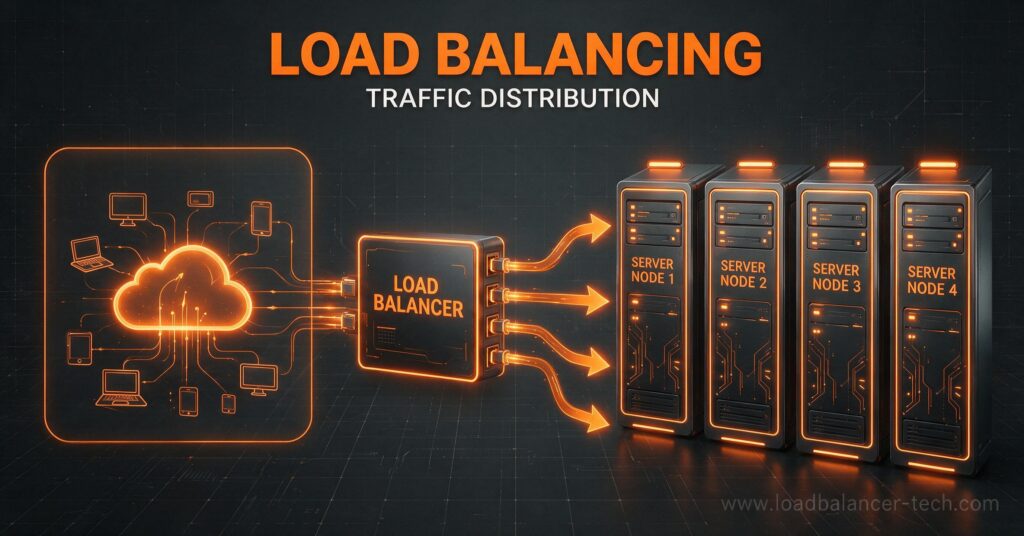
Here’s what most comparison articles skip entirely: multi-month IPTV bundles put more sustained load pressure on a panel’s infrastructure than monthly plans do, because operators tend to under-provision for the tail end of a 12-month cycle. Concurrent connections climb steadily as the subscriber base compounds, but server capacity planning rarely scales at the same rate unless the operator is actively monitoring HLS latency and CDN load month over month.
This is where DNS poisoning and ISP deep packet inspection also become more relevant. A provider that hasn’t rotated infrastructure in six months is an easier target for an ISP blocking pass than one running active load balancing across multiple uplinks. If you’re locked into a 12-month bundle and the provider gets hit mid-cycle with no backup routing, you’re the one buffering during the match, not them.
Pro Tip: Ask whether the provider load balances across more than one data center. Single-location panels are the first to go down during a coordinated ISP blocking wave, and multi-month subscribers absorb that downtime longest.
Monthly vs Multi-Month: A Straight Comparison
| Factor | Monthly Plan | Multi-Month Bundle |
|---|---|---|
| Price per month | Higher | 40-60% lower |
| Exit flexibility | Immediate | Locked until term ends |
| Exposure to provider collapse | Low | Higher |
| Best suited for | New/undecided subscribers | Verified, stable providers only |
| Refund likelihood if provider folds | N/A | Rarely full, sometimes none |
Reseller Math: Why Bundles Change the Panel Credit Game
For a sub-reseller, an IPTV bundle deal isn’t just a subscriber decision, it’s a panel credit allocation decision. Selling multi-month packages to your own customers ties up credits for the full term, which reduces your available float if the panel operator suddenly changes credit pricing or restructures tiers mid-cycle. Sub-resellers who over-commit to bundle sales without holding a credit buffer are the ones who get caught short when a panel does a surprise price adjustment.
The safer structure most experienced resellers use: sell multi-month bundles to subscribers, but purchase panel credits closer to a rolling monthly basis from the upstream provider. That mismatch protects your margin even if the panel changes terms, because you’re not sitting on twelve months of pre-purchased credit exposed to a single provider’s stability.
Churn Psychology and Why Bundles Reduce It
Subscribers on monthly plans churn far more easily because the exit cost is psychologically near zero. Multi-month IPTV packages change that calculation. Once someone has paid for six or twelve months upfront, sunk cost keeps them subscribed even through rough patches like buffering spikes or a temporary EPG outage. This is precisely why aggressive discounting on multi-month bundles is such an effective retention tool for providers, regardless of whether the underlying service quality justifies it.
This cuts both ways for resellers. A subscriber locked into a bundle with a struggling provider will eventually notice the gap between what they paid for and what they’re getting, and that frustration surfaces as chargebacks or public complaints rather than a quiet churn. Handling that relationship proactively, with clear communication about outages, matters more with bundle customers than monthly ones.
Scaling Considerations for Providers Offering Bundles
Providers offering IPTV bundle deals at scale need infrastructure that can absorb a growing multi-month subscriber base without a corresponding month-to-month cash injection, since the revenue was already collected upfront. This is where undercapitalized operators get exposed. They collect twelve months of bundle revenue in month one, spend it on customer acquisition instead of infrastructure, and by month six the server load has outpaced the original provisioning.
- Provision server capacity for projected month-twelve load, not month-one load
- Maintain a reserve fund from bundle revenue specifically for infrastructure scaling
- Run load balancing across at least two geographic regions before offering bundles publicly
- Track concurrent connection growth weekly, not monthly, during the first bundle cycle
Providers who skip this planning are the ones whose multi-month bundle customers experience the worst mid-cycle degradation, and it’s rarely disclosed until subscribers start noticing buffering during peak hours.
Choosing Between a Verified Provider and a Discount Panel
The IPTV bundle deal market has no shortage of steep discounts from panels with no verifiable track record. A provider like IPTV services that documents its infrastructure approach and reseller support structure gives buyers something to actually evaluate, rather than a price alone. Understanding how an IPTV reseller panel works before committing to a multi-month bundle helps subscribers and resellers alike ask better questions upfront.
Pro Tip: Ask any provider offering a multi-month bundle for their uptime history over the last two ISP blocking waves. A provider that can answer specifically, with dates, has infrastructure worth trusting. One that deflects doesn’t.
Reference points from established UK operators like britishseller.co.uk are useful for benchmarking what a stable multi-month bundle structure typically includes before comparing it against a discount-only offer.
Practical Test Before Buying Any Bundle
Run a short trial or single-month period with any provider before committing to their multi-month IPTV package, even if it costs slightly more upfront. Watch three things during that test window: buffering during peak evening hours, EPG accuracy, and support response time to a real ticket. A provider that performs well across a genuinely busy week is a far safer long-term bundle bet than one judged purely on price.
For subscribers exploring IPTV services for the first time, this test period matters more than any discount percentage advertised on a bundle page.
Frequently Asked Questions
Are multi-month IPTV bundle deals cheaper in the long run?
Usually yes on a per-month basis, often 40 to 60 percent less than monthly pricing. But the savings only hold if the provider stays stable for the full term. If the service degrades or the provider folds mid-cycle, the discount is offset by lost months of usable service.
What happens if my IPTV provider shuts down mid-bundle?
Most providers offering multi-month IPTV bundles don’t issue full refunds for unused months. Some offer partial credit toward a new provider if they have a migration partnership. Always check the refund policy in writing before buying a long-term bundle, not just the discount percentage.
How can I tell if a provider’s infrastructure can handle a 12-month bundle?
Ask about backup uplink servers, load balancing across regions, and uptime history through recent ISP blocking waves. A provider that answers specifically with details is more likely to sustain service quality through the full term than one giving vague reassurances.
Should resellers buy panel credits in bulk to match bundle sales?
Not necessarily. Many experienced sub-resellers sell multi-month bundles to subscribers while purchasing panel credits from the upstream provider closer to a monthly basis. This protects margin if the panel changes pricing or terms mid-cycle.
Is it normal for IPTV bundle pricing to include extra connections?
It varies significantly between providers. Some multi-month packages include extra connections, EPG, and VOD as standard, others charge those separately. Compare the full feature list line by line rather than the headline price alone.
Why do multi-month IPTV packages reduce subscriber churn?
Once a subscriber pays upfront for six or twelve months, sunk cost keeps them subscribed through minor service issues that would cause a monthly subscriber to cancel immediately. Providers rely on this psychology when pricing bundle discounts aggressively.
Can I negotiate a shorter trial before committing to a multi-month bundle?
Many providers will offer a short trial or single-month period on request, even if it isn’t advertised. It’s worth asking directly, since testing peak-hour performance and support responsiveness for a few weeks reveals far more than any bundle discount claim.
Do multi-month bundles increase server load risk for the provider?
Yes, sustained subscriber growth across a long bundle cycle requires infrastructure provisioned for month-twelve load, not month-one load. Providers who under-provision at the start often see performance degrade noticeably by the middle of the term.
Subscriber Checklist
- Confirm refund or credit policy in writing before paying for a multi-month bundle
- Test peak-hour performance during a trial period first
- Compare full feature list, not just the discounted price
Reseller Checklist
- Buy panel credits closer to monthly cadence even when selling bundles to subscribers
- Maintain a credit buffer against mid-cycle pricing changes
- Communicate proactively with bundle customers during any outage
Sub-Reseller Checklist
- Avoid over-committing float to long-term bundle sales without upstream stability confirmed
- Track panel credit exposure separately from subscriber contract length
- Escalate provider infrastructure questions before repackaging any multi-month deal
Conclusion
Multi-month IPTV bundle deals can be genuinely worth it, but only when the discount is backed by verifiable infrastructure, not just aggressive pricing. The savings are real. So is the risk of locking in twelve months with a provider that can’t sustain load past month six.