

Marvel Studios has confirmed that Avengers: Doomsday will hit theaters on December 18, 2026, closing out a release date that shifted more than once since the project was first announced. For fans who’ve been tracking this one since the Comic-Con reveal, the wait is almost over, and the run-up to launch weekend is already reshaping how people plan their entertainment schedules months in advance.
Why the Avengers: Doomsday Release Date Kept Moving
The film wasn’t always locked into a December slot. It was originally planned for May 2025, then pushed to May 2026, before Marvel Studios settled on December 18, 2026 to give production the extra time it needed. Some of that shuffling traced back to the 2023 Writers Guild of America strike, but a lot of it also came down to the sheer scale of the project itself, with reports describing the film’s vision as too large to rush.
That December date puts Doomsday in an unusually crowded weekend, sharing its release day with another major tentpole film. Both studios have been publicly maneuvering over premium formats like IMAX, which tells you something important about how big this release is expected to be. When two films this size land on the same weekend, it typically means record-setting box office numbers, and historically, spikes like that also translate into massive surges in home streaming and on-demand activity in the weeks that follow.
What This Means for Home Streaming Setups
Here’s the part that doesn’t get talked about enough: a release this size doesn’t just fill theater seats, it puts real pressure on home networks and streaming devices once the film eventually reaches digital and on-demand platforms. Anyone who’s lived through a major blockbuster weekend knows the pattern. Everyone in the house wants to watch something related at the same time, whether that’s the film itself through official channels, behind-the-scenes content, or the earlier films in the saga as a refresher.
For households that rely on a properly maintained IPTV services setup, this kind of predictable demand spike is exactly the sort of thing worth planning around rather than reacting to on the night itself.
Pro Tip: Before any major release weekend, run a quick speed test on your home connection during peak evening hours, not just in the morning. Bandwidth bottlenecks almost always show up when everyone else in your area is streaming at the same time.
Catching Up Before December: What to Rewatch
If you want the full picture before the multiverse chaos kicks off, most fans agree there’s a short list of essential viewing to revisit first:
- Loki Season 1 and 2, for the multiverse rules everything else builds on
- Ant-Man and the Wasp: Quantumania, for the shifting antagonist landscape
- Fantastic Four: First Steps, which sets up Doom’s interest in Franklin Richards
- Doctor Strange in the Multiverse of Madness, for the cost of tampering with alternate realities
Working through a rewatch list like this over several weeks is exactly the kind of scenario where understanding how an IPTV reseller panel works becomes useful. Households juggling multiple return-viewers at different paces put more strain on a network than a single new release ever would, since you’ve got several devices pulling different content simultaneously instead of one shared broadcast.

Why Big Release Weekends Expose Weak Infrastructure
Most people never think about their streaming infrastructure until it fails them at the worst possible moment. A confirmed release date this far in advance is actually a gift, because it gives you time to stress-test things before the surge hits rather than scrambling during it. The households and small reseller operations that handle these weekends smoothly are almost always the ones that planned ahead rather than reacting in real time.
This is where the difference between a bargain setup and a properly maintained one becomes obvious. Cheap infrastructure tends to look fine on a quiet Tuesday night, but the moment demand spikes, the cracks show immediately.
| Cheap Infrastructure | Premium Infrastructure |
|---|---|
| Single uplink, no failover | Backup uplink servers ready to switch instantly |
| Shared bandwidth with no prioritization | Load balancing across multiple routes |
| No monitoring until something breaks | Active monitoring catches strain before it becomes an outage |
| Slow support response during peak hours | Dedicated support scaled for high-demand weekends |
How Panel Credit Management Ties Into Big Release Weekends
That’s exactly why panel credit management deserves attention well before a release date, not after. Resellers who wait until launch week to check their credit balances or renew subscriber accounts often find themselves scrambling at the worst possible time, right when support queues are longest and everyone else is doing the same thing.
A better approach is treating any confirmed major release date, like this December 18 window, as a planning checkpoint. That’s roughly six months out from today, which is more than enough runway to review account renewals, top up panel credits, and confirm that backup uplink arrangements are actually in place rather than just assumed.
Understanding HLS Latency Before It Becomes a Problem
One technical detail that quietly separates a smooth streaming night from a frustrating one is HLS latency, the delay between when content is delivered and when it actually plays on a viewer’s screen. Under normal conditions, most people never notice it. Under heavy load, when a network is pushing content to far more simultaneous viewers than usual, that latency stretches, and buffering starts creeping in exactly when nobody wants it to.
Pro Tip: If you’re planning a group watch for any high-demand release weekend, test your setup at least 48 hours in advance under conditions similar to what you expect on the actual night, not just a quiet afternoon test.
DNS Poisoning and Why It Spikes Around Major Releases
Major release weekends also tend to see an uptick in DNS poisoning attempts, where bad actors try to redirect traffic away from legitimate destinations during periods of high search volume. It’s not something the average household needs to lose sleep over, but it’s a good reminder to make sure your DNS settings are current and that you’re not relying on outdated configurations that haven’t been checked in months.
Why ISP Deep Packet Inspection Matters More Than People Realize
Another quiet factor in play during high-traffic weekends is ISP deep packet inspection, the process some providers use to analyze traffic patterns and, in some cases, throttle certain types of activity during peak congestion. This isn’t unique to any one release, it’s simply more noticeable when everyone’s connection is working harder than usual. Knowing your provider’s habits ahead of a big weekend, rather than discovering them mid-stream, is a small piece of preparation that pays off.
Sub-Reseller Communication Ahead of High-Demand Dates
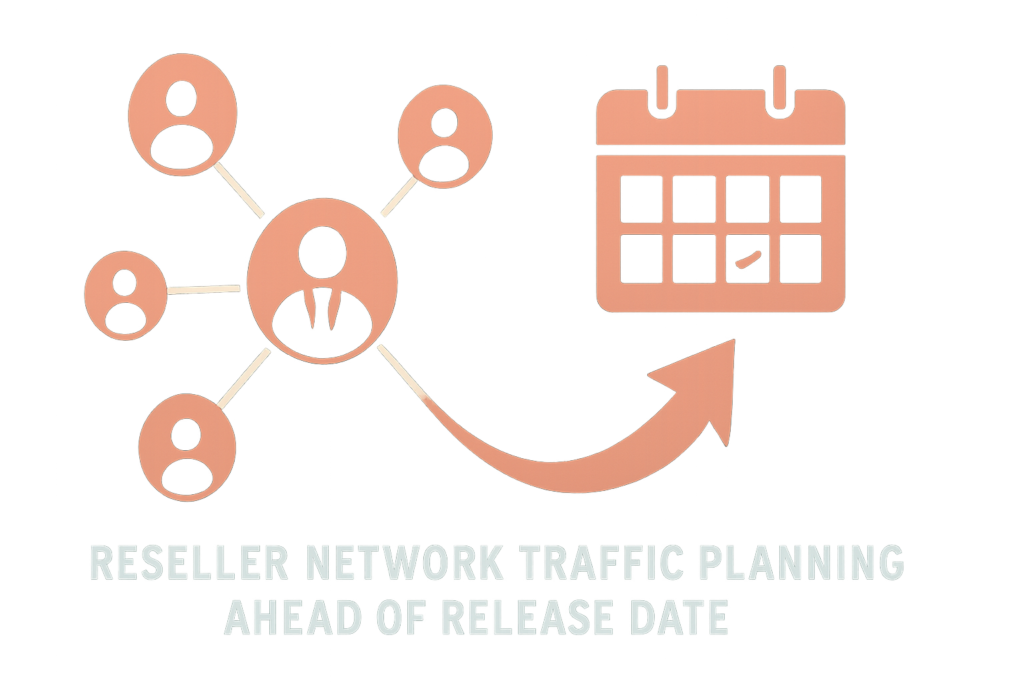
For anyone managing a network of sub-resellers, a confirmed date like December 18 is worth flagging internally well ahead of time. Sub-resellers who aren’t warned about an expected demand spike are the ones most likely to file confused support tickets when things slow down, simply because they didn’t know a surge was coming. A short heads-up message a few weeks out, explaining that increased household streaming activity is expected around a major theatrical release, saves everyone time later. Services like britishseller.co.uk are a good example of an operator that keeps subscribers informed ahead of high-traffic entertainment weekends rather than waiting for tickets to pile up.
Churn Psychology Around Big Entertainment Moments
There’s also a behavioral pattern worth understanding here. Subscribers tend to reevaluate their setups around major entertainment moments, not randomly throughout the year. A confirmed blockbuster release date is one of those natural checkpoints where people either recommit to their current service or decide to shop around if their recent experience has been shaky. Resellers who treat the weeks before a high-profile date as a customer experience checkpoint, rather than just another ordinary week, tend to see far less churn in January than those who don’t.
Pro Tip: A brief, low-pressure check-in message to subscribers a couple of weeks before a known high-demand date does more for retention than any discount offered after a bad experience.
Where to Actually Watch Avengers: Doomsday Legally
To be clear, Avengers: Doomsday is a theatrical release, opening in cinemas on December 18, 2026, with premium formats including IMAX in select international markets and other large-format screens. It will eventually make its way to official digital and home platforms following the studio’s standard release pattern, the same way prior MCU films have. Anyone looking to watch should follow official theatrical listings and, later, the studio’s confirmed digital and home release announcements rather than relying on unofficial sources.
Success Checklist: Getting Ready for a Major Release Weekend
For Subscribers
- Run a bandwidth test during evening peak hours at least a week before any anticipated high-demand date
- Confirm your device apps and firmware are updated ahead of time
- Have a backup viewing plan in case of unexpected congestion
For Resellers
- Review panel credit balances and renewal dates at least a month out
- Confirm backup uplink arrangements are active, not just theoretical
- Send subscribers a brief heads-up about expected demand increases
For Sub-Resellers
- Flag known high-demand dates to your own downstream users early
- Keep support response times realistic and communicate them in advance
- Track which accounts had issues during the last major release weekend and address root causes now
Frequently Asked Questions
When is the confirmed Avengers: Doomsday release date?
Marvel Studios has confirmed Avengers: Doomsday will release in theaters on December 18, 2026, after previously being scheduled for May 2025 and then May 2026.
Why did the release date change so many times?
The shifts trace back to the 2023 Writers Guild of America strike and the studio’s decision to allow more time for a production described as unusually large in scope.
Will Avengers: Doomsday be available through IPTV panels?
No official digital or home release date has been confirmed yet. It’s a theatrical release first, and any home viewing options will follow the studio’s standard, official release pattern.
How can resellers prepare for demand spikes around big release dates?
Reviewing panel credit balances, confirming backup uplink readiness, and giving sub-resellers advance notice a few weeks out are the most effective steps to avoid last-minute scrambling.
Is it normal for streaming speeds to slow down during major entertainment weekends?
Yes. Increased simultaneous usage across many households can strain shared infrastructure, which is why testing your connection under peak conditions in advance is worth doing.
What should subscribers do if their household plans a group watch?
Test your setup under realistic conditions at least 48 hours ahead, confirm all devices and apps are current, and have a backup plan in case of unexpected congestion.
Does deep packet inspection affect regular streaming, or only during big releases?
It happens year-round in varying degrees, but it becomes more noticeable during high-traffic periods since networks are under more strain overall.
Why do subscribers reconsider their service around big movie releases specifically?
Major entertainment moments act as natural checkpoints where people evaluate whether their current setup is meeting their needs, making it a good window for resellers to focus on customer experience.